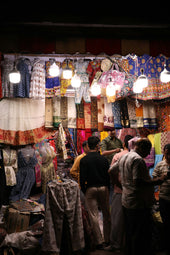

Explore Jaipur Textile History: A Journey Through Colors
Share
Jaipur’s Textile Legacy — From Hand-Block Mastery to Modern Ready-to-Ship Collections
Jaipur’s textile story is more than a craft tradition — it’s a living supply chain. From hand-carved wooden blocks and earth-friendly dyes to export-ready bedding, sarees, dress materials, dohars, kurtis, and custom-printed fabrics, here’s how the Pink City turned heritage into a modern wholesale advantage.
Origins: Why Jaipur Became India’s Print Capital
Geography, climate, and patronage shaped Jaipur’s textile destiny. The dry air of Rajasthan helped dyes cure evenly; trade routes running through Amber and later Jaipur brought new customers, new motifs, and new ideas. Towns like Sanganer and Bagru evolved distinct idioms: delicate florals on pristine bases versus earthy patterns on naturally tinted fabrics. Over centuries, workshops turned into ecosystems — carvers, dyers, printers, washers, finishers — each guardian of a micro-skill passed across generations.
That narrative — slow, precise, and deeply human — now powers fast, dependable supply for both boutique buyers and national chains. The secret is not speed alone; it’s repeatability built atop tradition.
The Craft: Blocks, Dyes, and Disciplines
Hand-Carved Blocks
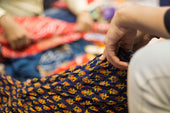
Master carvers translate sketches into teak or sheesham blocks. Each block carries outlines, fillers, and borders; printers align them by eye and muscle memory. Repeats must be perfect, overlaps invisible, rhythm uninterrupted.
Dye & Print Philosophies
- Sanganer style: Fine florals and jaals, crisp outlines, airy palettes.
- Bagru style: Earth-forward hues, natural pastes, rustic geometry.
- Leheriya: Wave-like stripes from meticulous tie-resist folding and dyeing.
- Bandhani: Thousands of micro-ties creating dotted constellations on cloth.
- Kota weave accents: Gauzy checks that turn print into whisper-light drape.
Modern screens and digital heads have joined the toolkit — not as replacements, but as companions that extend what artisans can offer in timelines today’s buyers expect.
Materials: Cotton First, Then Everything Else
Cotton remains Jaipur’s backbone — percale for structure, poplin for crispness, mulmul for breathability. Blends and silks add sheen or drape when demanded by occasionwear. Responsible chemistry, careful pre-treatments, and controlled drying protect color and hand-feel, batch after batch.
- Cotton & mulmul: Everyday comfort, high print clarity, washable.
- Modal & silk blends: Festive drape, richer hand, boutique appeal.
- Kota Doria: Feather-light transparency for sarees and dupattas.
Bedsheets: Heritage for Homes
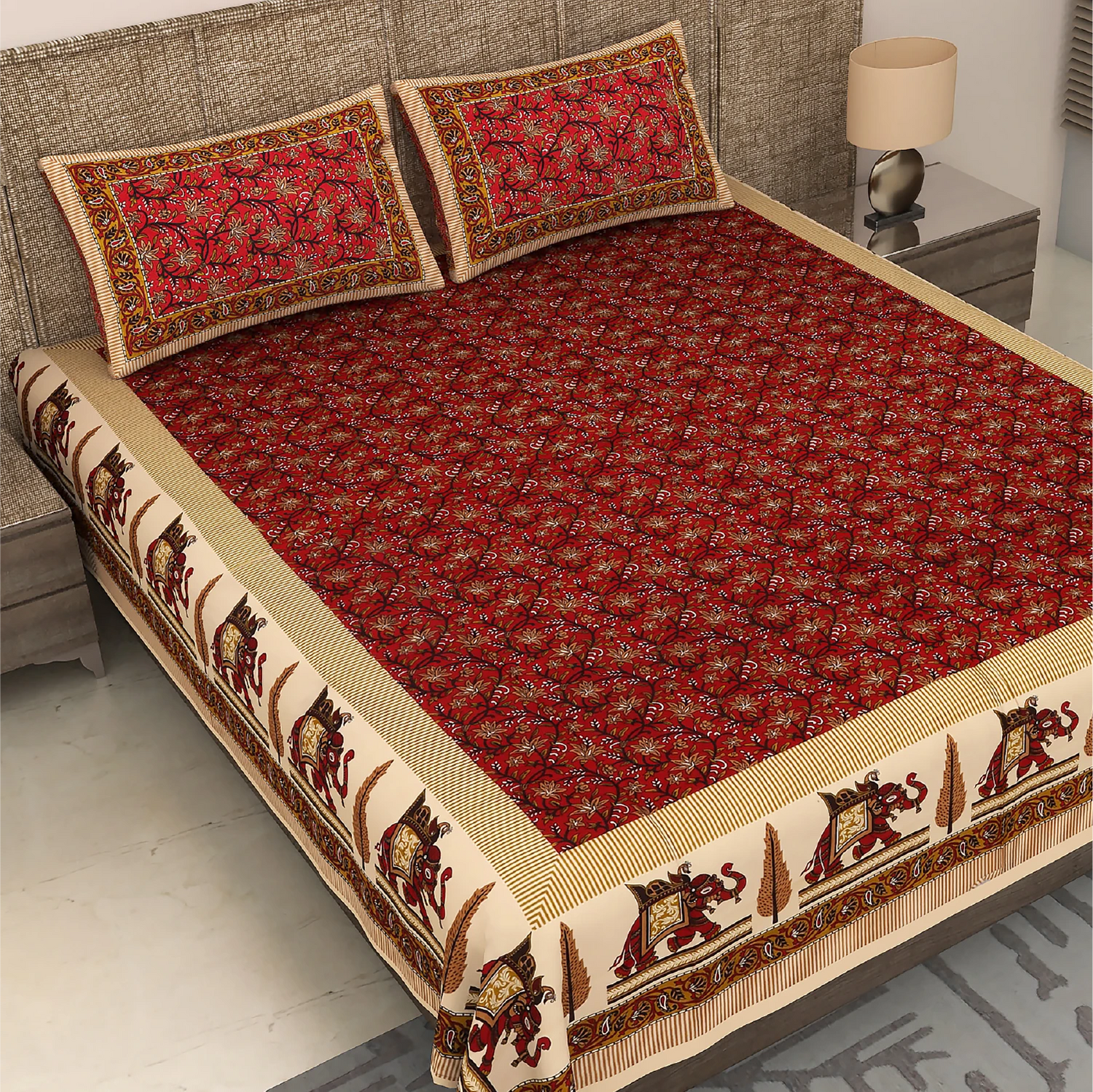
Jaipur bedsheets carry print traditions straight into bedrooms — floral jaals for serenity, butis for minimalism, borders for structure. Repeatable sizing (Single, Double, Queen, King, Jumbo), dependable seams, and consistent color make them a volume-friendly category for domestic retailers and export buyers alike.
Merch tip: Build color-coordinated bundles — sheet + pillowcases + dohar — to boost cart value and visual storytelling online.
Dress Materials: From Yardage to Boutique Looks
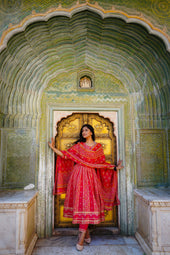
Unstitched sets keep creativity open: top–bottom–dupatta combinations suited to regional tastes, seasons, and price ladders. Jaipur prints ensure the base fabric already “speaks,” so boutiques can focus on silhouette and fit.
- Fabrics: Cotton, mulmul, chanderi blends on request.
- Dupattas: Voile/mulmul for floaty drape or Kota for light structure.
- Use-case: Boutique drops, festival edits, small-lot exclusives.
Sarees: Leheriya, Bandhani & Hand-Block Classics
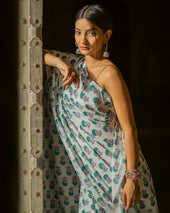
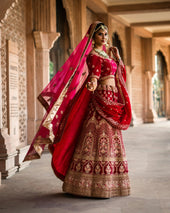
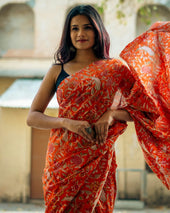
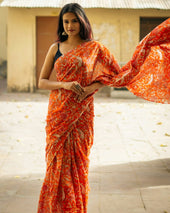
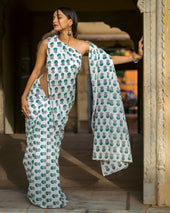
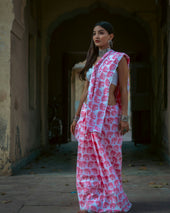
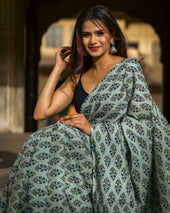
Sarees are Jaipur’s fashion ambassadors. From the monsoon waves of leheriya to the meditative dots of bandhani, and the measured cadence of hand-block florals — each sari is a lesson in patience and pattern. Lightweight Kota and lustrous blends widen the styling canvas for day-to-festive transitions.
Styling note: Contemporary blouses and contrast borders keep classic prints fresh for younger shoppers.
Cotton Dohars: Lightweight Quilts with Character
Dohars are Jaipur’s quiet invention: two soft layers (and optionally a thin fill) stitched for breathability. They’re reversible, giftable, and perfect for warm climates or air-conditioned rooms. Printed motifs bring the charm; precise stitching brings durability.
- Retail value: Seasonal refresh category; easy to mix with bedsheets.
- Ops value: Light to ship; quick to re-stock; high shelf appeal.
Kurtis & Ready-to-Wear: Everyday Jaipur Chic
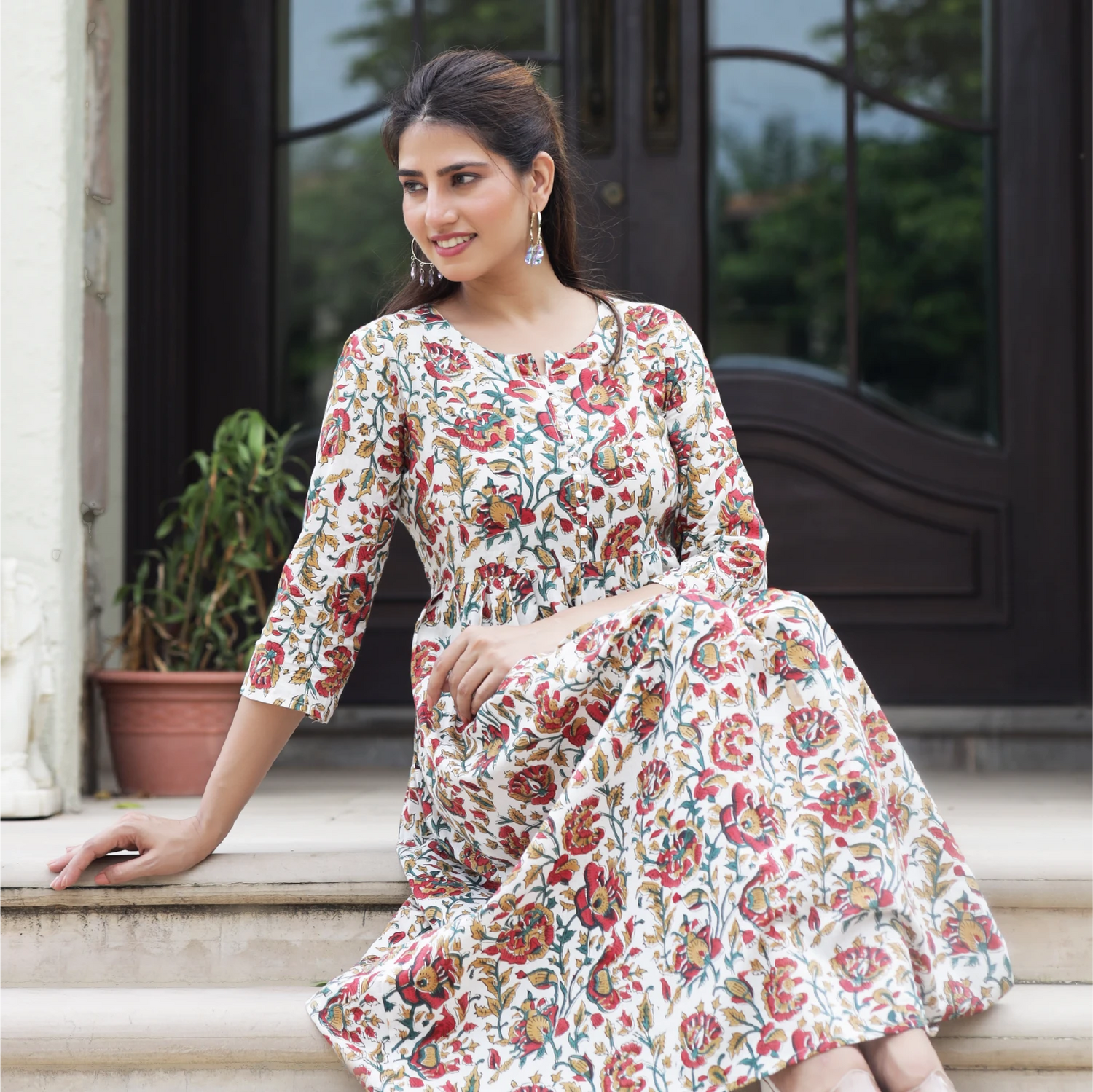
Ready-to-wear bridges heritage and hustle: prints meet modern cuts, offices meet festivals, and “wear now” beats wait times. With reliable sizing and finish, Jaipur kurtis deliver speed to shelf — and repeat sales.
Merch tip: Create palette stories — mint/rose/lilac for weekdays; maroon/indigo/mustard for festive Fridays.
Custom Fabric Printing: Tradition Meets Technology
When brands need exclusives, Jaipur’s print ecosystem scales: hand-block for artisanal tactility, screens for efficient repeats, digital for photographic depth and small runs. Pantone guidance, strike-offs, and batch photos align expectations before bulk.
- Best for: Private labels, capsule drops, brand-signature motifs.
- Combo ideas: Custom prints across bedsheets + dohars + apparel for cohesive brand worlds.
B2B Buying Guide: MOQ, Lead Times, QC & Packing
Typical Flow
- Shortlist & Spec: Product type, fabric, sizes, quantities, target dates.
- Quote & ETA: Pricing aligned to method (block/screen/digital), finishing and pack-outs.
- Strike-offs / Samples: Approve colors and placements (as needed).
- Production Updates: Batch photos/videos to verify continuity.
- QC & Dispatch: Final checks; labeled, barcoded, and cartonized as per brief.
Key Variables
- MOQ: Product-wise; small pilots possible with digital or limited blocks.
- Lead Times: Season-dependent; plan buffers around monsoon/festivals.
- Price Drivers: Fabric GSM, print method, color count, finishing, packing.
- Packing: Retail zip pouches, kraft sleeves, or bulk poly as required.
Pro tip: Share your calendar (launch dates, festive pushes). Production sequences can be optimized to hit sell-through windows.
Merchandising & Trend Playbook
Color Stories & Capsules
Build capsules around 3–4 colors, repeat them across categories (bedsheets + dohars + kurtis). This multiplies visual impact and simplifies store storytelling.
Heritage × Contemporary
- Pair micro-florals with clean borders for a modern read.
- Contrast classic indigo/brick with a pop pastel in trims or piping.
- Use Kota or mulmul dupattas to soften sharper prints.
Bundles & Cross-Sell
- Bedding sets: bedsheet + pillowcases + matching dohar.
- Outfit sets: kurti + dupatta + fabric yardage for customization.
- Gifting: two dohars rolled with motif tags and festive sleeves.
Care & Longevity: Getting the Best from Your Textiles
- Cold water, mild detergents; wash darks/light prints separately first few cycles.
- Avoid long soaks; line dry inside-out to protect surface vibrancy.
- Warm iron on reverse for prints; store fully dry in breathable bags.
Explore Collections & Services
FAQs
What minimum order quantities (MOQ) do you support?
MOQ varies by category and print method. Pilot runs are possible for custom prints, while regular lines typically follow per-design or per-size brackets. Share your shortlist, and we’ll confirm the most economical breakpoints.
How long do production and dispatch usually take?
Ready stock can dispatch quickly; made-to-order runs usually need 2–4 weeks depending on season, humidity, and color count. We’ll provide a realistic schedule with buffers.
Can I request private labels and retail packaging?
Yes. We support woven/printed labels, wash-care tags, barcodes, sleeves, zip pouches, and export carton markings as per your brief.
How do you ensure print and color consistency?
Through strike-offs (sample swatches), clear color targets, controlled drying, and mid-batch checks. We also share photos/videos for your review before sealing cartons.
Do you offer both hand-block and modern methods?
Yes — hand-block for artisanal tactility; screen and digital for scale or complex imagery. Many buyers mix methods across a collection.
What fabric options are available?
Cotton poplin/percale, mulmul, modal/silk blends, and Kota-type weaves. We’ll recommend the base per use-case (bedding vs. apparel).
Can I align multiple categories into one brand story?
Absolutely. A single print language can travel across bedsheets, dohars, kurtis, and dupattas — creating a cohesive, high-recall range.
Do you ship pan-India and support export packing?
Yes. We dispatch across India and provide export-ready packing and documentation support on request.